PT-141 results: a test report needs a subject
A sample’s identity, a desire score and an erection response can all be tested. They answer different questions.
Third-party testing of PT-141 samples
A search for “PT-141 third party tested” often seeks a PT-141 test report on the material itself. No batch certificate is reproduced here. The published forensic analysis used liquid chromatography and high-resolution mass spectrometry to characterize seized melanocortin samples, including bremelanotide. Those techniques help identify what is in a sample. This analytical laboratory work examined samples; treatment effects require clinical trials.
I trust an identified question more than the reassuring sound of “tested.” A result identifying bremelanotide does not demonstrate that it improved desire, establish a human amount, or extend the approved indication. The prescribing information describes an approved medicine with a specified population; a research-labelled sample does not acquire that status from an assay.
The distinction is especially relevant to this name’s shopping associations. A test report contributes one exhibit to a larger record.
The women’s results are differences on scales
The two RECONNECT trials enrolled 1,267 premenopausal women with hypoactive sexual desire disorder. Over 24 weeks, the studies compared 1.75 mg bremelanotide given under the skin as needed with placebo. The integrated difference was +0.35 on the FSFI desire domain and -0.33 on FSDS-DAO item 13 (the item measuring distress about low desire). Both had P<.001.
FSFI is the Female Sexual Function Index; FSDS-DAO is the Female Sexual Distress Scale–Desire/Arousal/Orgasm. The plus and minus signs point in favorable directions on these different measures. They are score differences, not percentages, numbers of sexual events or a promise of what someone will notice.
For me, the persuasive part is that both trials met their main endpoints. The less comfortable part is the modest magnitude of the improvement. The pharmacotherapy review also describes limited efficacy and cautions about adverse effects and reporting. Statistical significance answers a question about the trial difference; it does not tell us how much relief is worth a treatment’s burdens.
The longer follow-up kept the benefit and the nausea
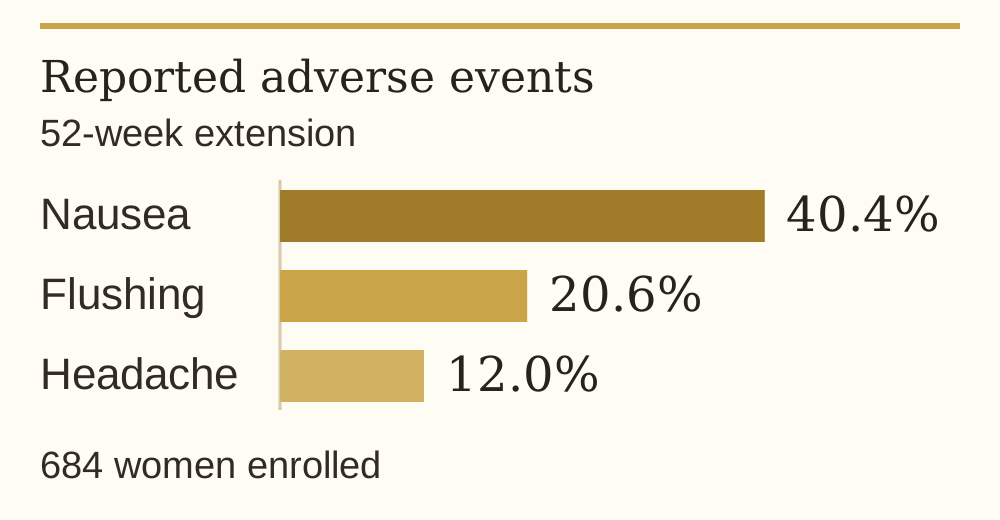
The 52-week open-label extension enrolled 684 women, sustained improvements in desire and found no new safety signals. Open-label means participants knew they were receiving the medicine. It adds a longer observation period with participants aware of treatment and without another blinded placebo comparison.
The reported drug-related treatment-emergent adverse-event rates were nausea 40.4%, flushing 20.6% and headache 12.0%. These rates describe the extension’s participants; internet tallies and individual forecasts require different evidence. The existing adverse effects and tolerability burden remained visible alongside the finding of “no new safety signal.”
The men’s headline has an editorial notice attached
Early nasal-spray work in men found an erectile response, and the small combination study reported an enhanced response with sildenafil. Those findings explain continued interest. They did not produce an approval for men.
The 2008 salvage paper reported positive clinical results in 33.5% of sildenafil non-responders after intranasal bremelanotide, versus 8.5% with placebo. A 2023 Expression of Concern makes those findings disputed. That is a formal editorial warning about the paper’s integrity, not proof of fraud, and not something to detach from its attractive percentage.
I would leave that percentage out of any confident success story. It remains in the historical record with the warning attached, rather than becoming a reliable estimate of benefit. PT-141 for men follows the rest of that unfinished program.
PT-141 reviews add voices, not a denominator
Some personal accounts describe more desire or pleasure; others describe adverse effects without benefit. They are anecdotal accounts, not clinical evidence. Their vividness cannot show how many people had an ordinary result, never posted, or used material that did not match the approved preparation.
The 2022 brain-imaging study offers another kind of result: 31 women, changes in brain processing, and increased desire for up to 24 hours. It is a small human mechanistic experiment; a general success rate remains beyond its scope. Putting its result, the trials and the personal accounts into one average would lose the very distinctions that make them useful.